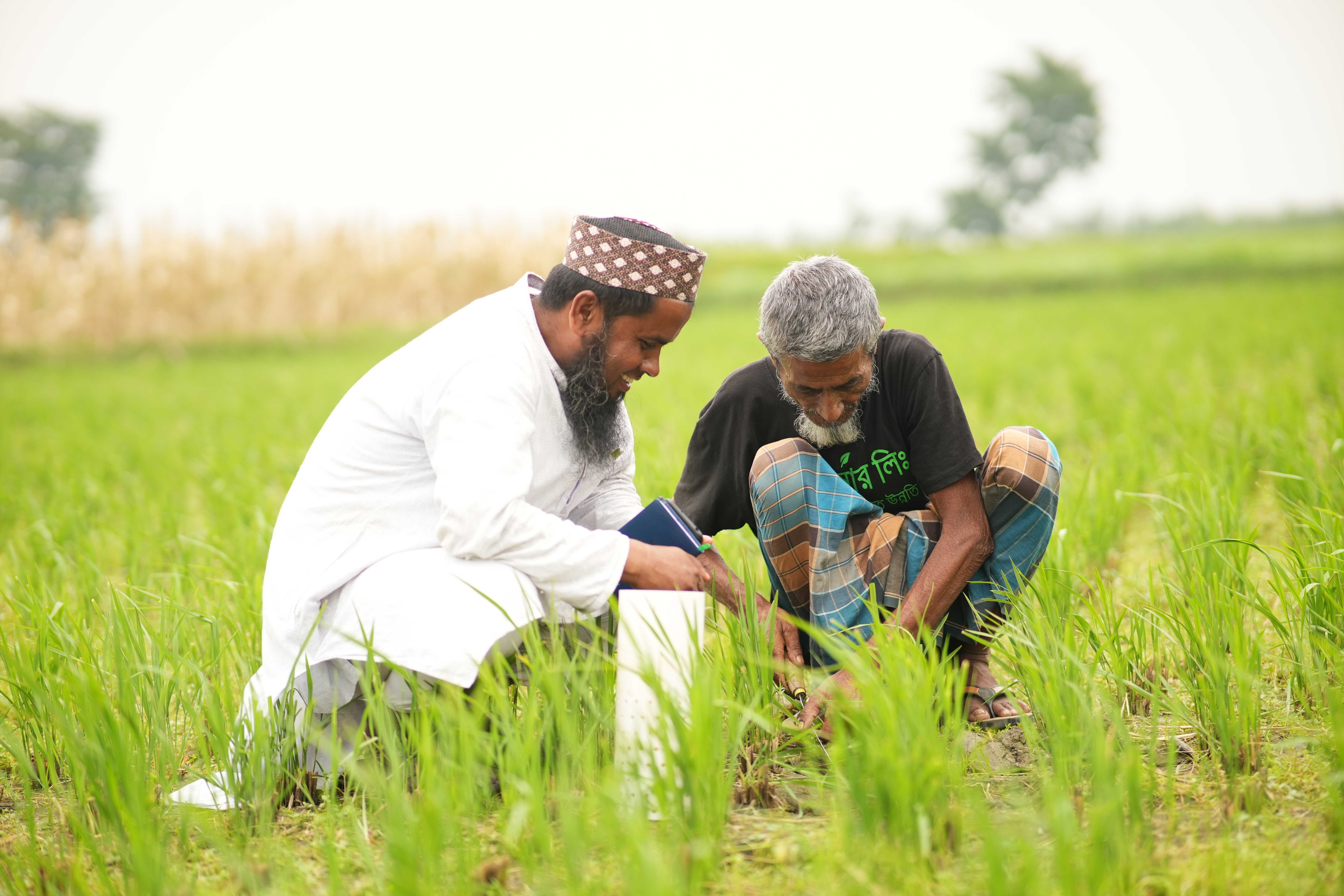
Pioneering Solutions for a Resilient & Sustainable Future
Our Climate-Smart Agriculture (CSA) initiatives are designed to help farmers adapt to changing climate patterns, boost productivity sustainably, and ensure long-term food security while protecting our planet.
Saving Freshwater: Alternate Wetting and Drying (AWD)
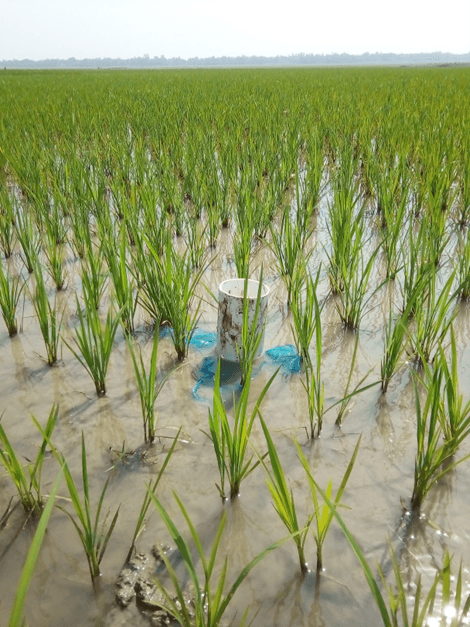
iFarmer promotes Alternate Wetting and Drying (AWD), a simple technique using a perforated tube to help rice farmers significantly reduce water usage for irrigation. This method leads to 1–5 fewer irrigations per season, saving approximately ৳1,310 per bigha and 223,000 liters of water per irrigation on average. It maintains rice yields while significantly reducing methane emissions, offering an economical and climate-resilient solution currently used by over 600 farmers covering 250 acres.
Worms to Wealth: Building Soil Health with Vermicompost
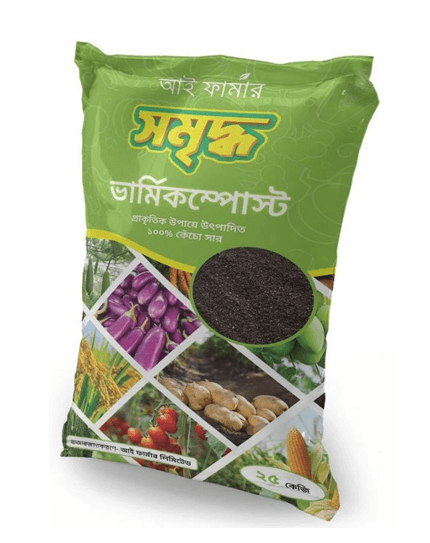
Addressing low soil organic matter, iFarmer champions vermicompost, a natural fertilizer made by earthworms. This method significantly boosts soil health, improving structure and microbial life, and can reduce chemical fertilizer use by up to 30% without compromising yield. Farmers experience up to 15–20% higher yields, tastier produce, and contribute to 50–70% less methane emissions.
Saving the Planet: Solar Irrigation for Energy Efficiency
Addressing the high cost and emissions of diesel-based irrigation, iFarmer deploys solar irrigation systems. These clean energy solutions, with smart components, significantly cut operating costs by 20% and carbon emissions by nearly 50%. They also conserve water and create opportunities for young rural entrepreneurs to manage sustainable solar-powered businesses.

Smart Shields: Empowering Farmers with Integrated Pest Management (IPM)
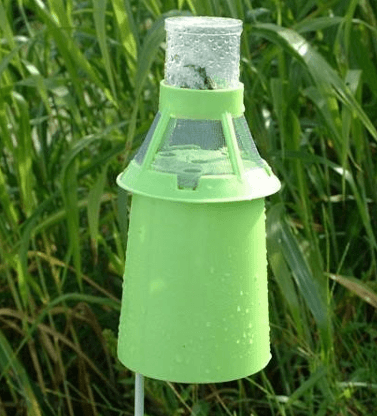
To combat crop loss from pests and reduce reliance on harmful chemicals, iFarmer implements Integrated Pest Management (IPM). This program uses biocontrol agents, traps, and ecological balance with minimal chemical inputs. Farmers using IPM cut chemical pesticide use by 40–60%, lower health risks, and maintain yield stability, allowing their crops to meet stricter food safety standards for high-value markets.